ServicesDuctless Mini-Splits
Ductless Mini-Splits in Spangle
With an outdoor inverter unit and slim indoor heads, a ductless mini-split brings heating and cooling to the rooms that need it, no ducts required. We size each zone, mount the outdoor unit above the snow line and give you a written quote before any work begins.
When a mini-split is the right call
A mini-split moves heat with refrigerant through a small copper line set, so it only needs a three-inch hole through the wall. That makes it a good fit for an addition, a finished garage, a bonus room over the garage, a shop or an older home that was built with baseboard heat and never had ducts.
Modern cold-climate units keep producing heat well below zero because the inverter compressor speeds up instead of cycling on and off. In winter that means steady room temperatures. In summer the same system cools and pulls moisture out of the air.
It is not the answer for every house. If your home already has a furnace and ducts that serve most rooms well, a central heat pump may cost less to run. We will tell you which one makes sense on the visit.
What our mini-split work includes
- Room-by-room load sizing
- We measure each room, note window area, insulation and sun exposure, and size each indoor head to that room. An oversized head short-cycles and leaves the air clammy, and an undersized one runs flat out on the coldest nights.
- Indoor head placement
- Wall-mounted heads, ceiling cassettes or floor consoles, placed so air reaches the whole room and the condensate line can drain by gravity or to a quiet pump.
- Outdoor unit mounting
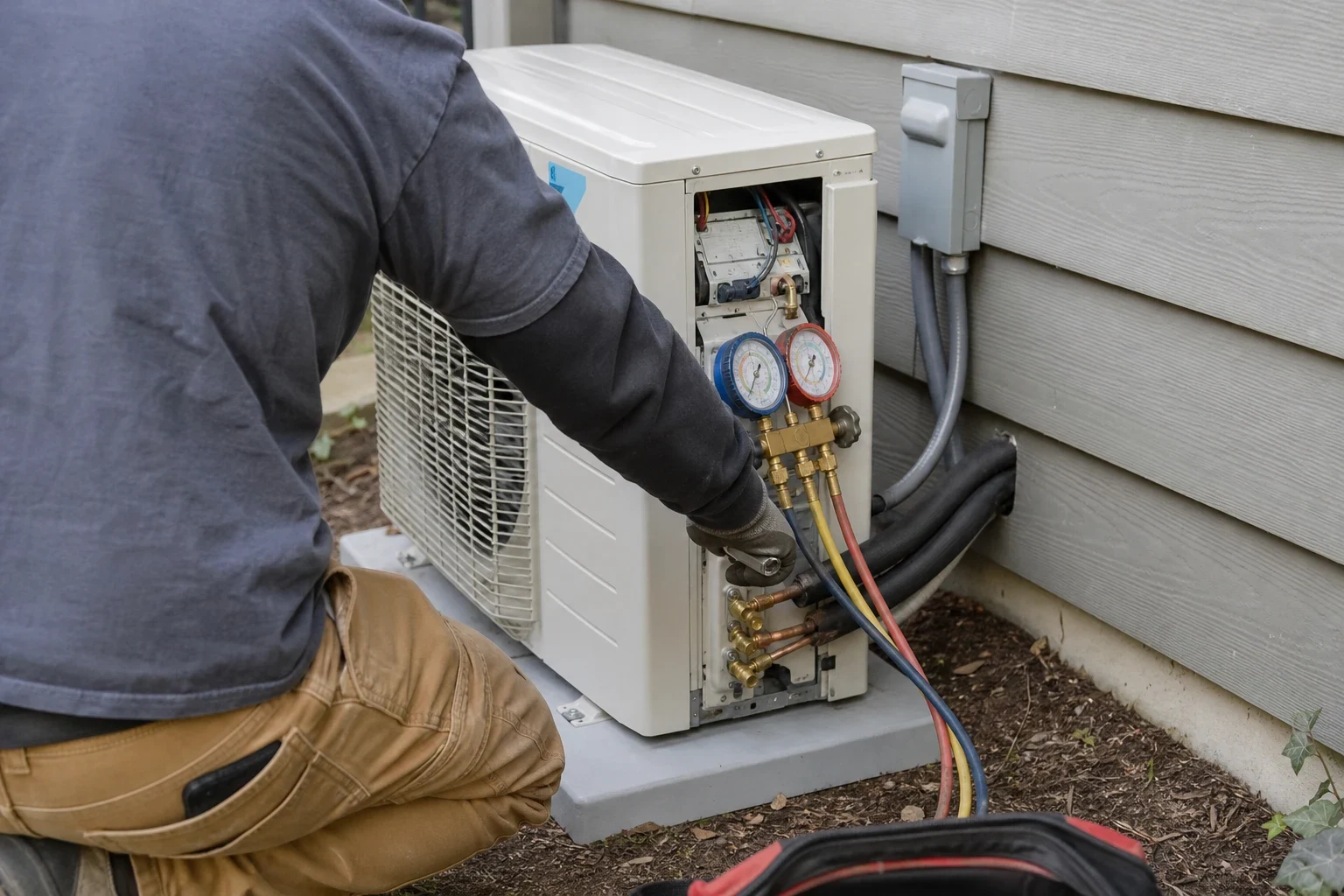
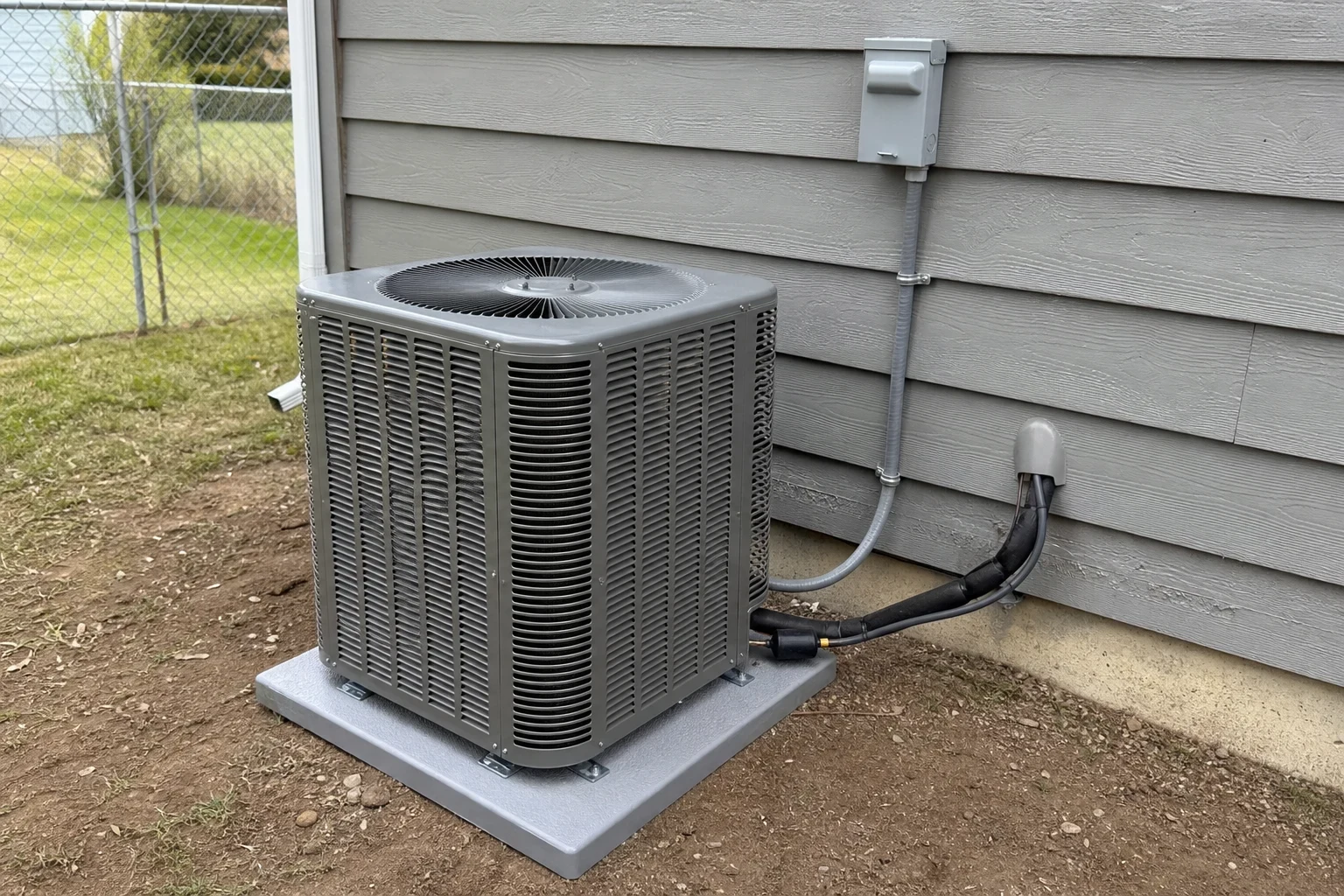
- We set the condenser on a raised stand or wall bracket so drifting snow and ice can't block the coil, and we add a base pan heater on units that need one to keep defrost water from freezing inside.
- Line set and refrigerant work
- Copper lines are flared to spec, torqued, pressure-tested with nitrogen and pulled down to a deep vacuum before the refrigerant is released. Skipping that step is the most common cause of slow leaks and early compressor failure.
- Electrical and permits
- A dedicated circuit and an outdoor disconnect are part of the job, and we pull the permit where one is required so the installation can be inspected.
- Repair on existing systems
- We diagnose error codes, failed fan motors, iced coils, clogged condensate lines and leaking flare joints on mini-splits already in your home.
When to call about a mini-split
A room that is always too hot or too cold
If the sunroom overheats every July or a back bedroom never warms up in January, your main system probably isn't reaching it. One single-zone mini-split handles that room and leaves the rest of the house alone.
Drips from the indoor unit
The usual cause is a blocked or bent condensate line, or algae filling the drain pan. Turn the unit off and get it looked at before water marks the wall underneath.
Flashing lights or a fault code
The control board flags problems such as a bad sensor, low refrigerant pressure or lost communication between the indoor and outdoor units. Jot down the code before calling, since it shortens the diagnosis.
Storm damage to the outdoor unit
Branches in high wind can bend the fan blade or flatten coil fins, and a surge can knock out the inverter board. We look over the damage, take photos and give you a written repair-or-replace answer to share with your insurer.
Ice on the coil that stays put
Light frost in winter is expected, and the defrost cycle clears it. Thick ice that doesn't go away points to a defrost sensor, a frozen base pan or a low charge.
How an installation day runs
- 1
Estimate visit
We walk the rooms with you, choose head locations and the outdoor spot, and leave a written quote. Estimates on installations are free.
- 2
Prep and protection
Drop cloths go down under each head location and we mark studs and wiring before drilling. Furniture near the wall gets moved and covered.
- 3
Mounting and line set
Wall plates and heads go up, the line set runs through a sealed wall sleeve, and the outdoor unit goes on its stand. A line-hide cover on the exterior keeps the copper protected from sun and ice.
- 4
Test, vacuum and start-up
We nitrogen-test every joint, pull a vacuum and confirm it holds, then release the charge and check temperatures at each head in heating and cooling modes.
- 5
Walkthrough and cleanup
We show you the remote, filter cleaning and how to keep the outdoor unit clear of snow, then haul away packaging and vacuum the work areas.
What changes the cost of a mini-split
The layout of your house drives a mini-split price much more than the brand on the box. Each quote is itemized in writing, so you can see what every zone and every piece of the job costs. Since most mini-splits are heat pumps, a qualifying system may earn Avista rebates and federal tax credits, and we help with the paperwork for both.
- How many zones
- Every indoor head brings its own equipment, line set and labor. One multi-zone outdoor unit can handle several rooms, though beyond a point, two smaller systems do the job better.
- Length of the copper lines
- A head on an outside wall right above the condenser keeps the line run short. An inside room or an upstairs bedroom means longer lines, more holes through walls to seal and more finish work.
- Rated for cold weather
- Models built to keep their output in low outdoor temperatures cost more at the start. When winter brings real cold snaps, they are the reason that room can go without backup heat.
- Room in the electrical panel
- Needing space for another breaker, or a full panel upgrade, changes what the job involves. We look at your panel during the estimate visit.
Mini-split questions we hear
Something not covered here? (509) 512-1867
Will a mini-split keep a room warm through a hard freeze?
A cold-climate model will, as long as it is sized for that room. These units are rated to keep producing heat at outdoor temperatures well below zero. On the very coldest nights output drops somewhat, so we size with that margin built in.
How many rooms can one outdoor unit serve?
Multi-zone outdoor units typically connect two to five indoor heads. Each head runs on its own thermostat. If the rooms are spread across opposite ends of the house, separate single-zone systems are often more efficient and easier to service.
Do the indoor heads need much upkeep?
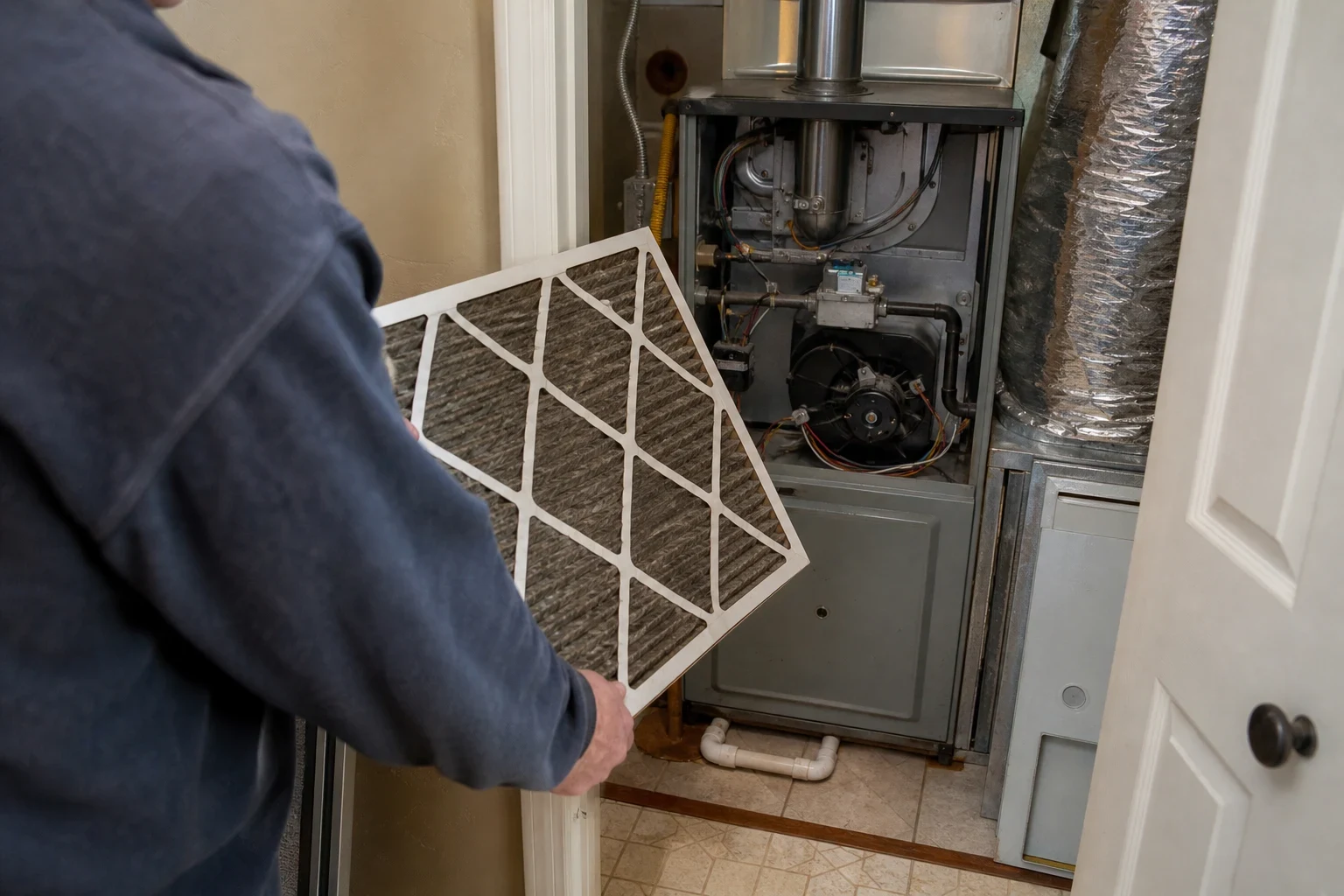
Wash the reusable filters roughly every four to eight weeks while the system is working hard. The coil and blower wheel need a deeper cleaning yearly, since dust and mold collect there and choke airflow. That cleaning is included in our maintenance plans.
My mini-split stopped after a power outage. What should I check?
Turn the outdoor disconnect off for a few minutes, then back on, and reset the breaker if it tripped. If the unit shows an error code or still won't run, a surge may have damaged the inverter board. Our emergency HVAC repair line is answered 24/7, and a night or weekend visit carries no emergency or after-hours surcharge.
Is a mini-split better than a ducted heat pump?
It depends on your home. Mini-splits suit houses or rooms without ducts. If you already have good ducts serving most rooms, a central system from our heat pumps service may fit better, and we can compare the two on the estimate visit.
Size a mini-split to the rooms that need it
Let us know which rooms run too warm or too cool and we will book a time to come look. The estimate on a new system costs nothing, and the quote is in writing before work starts.